How Long Does a Roof Last in Texas?
The warranty says 30 years. Central Texas sun, hail and attic heat say otherwise. Realistic lifespans by material and the four things that decide where your roof lands in the range.
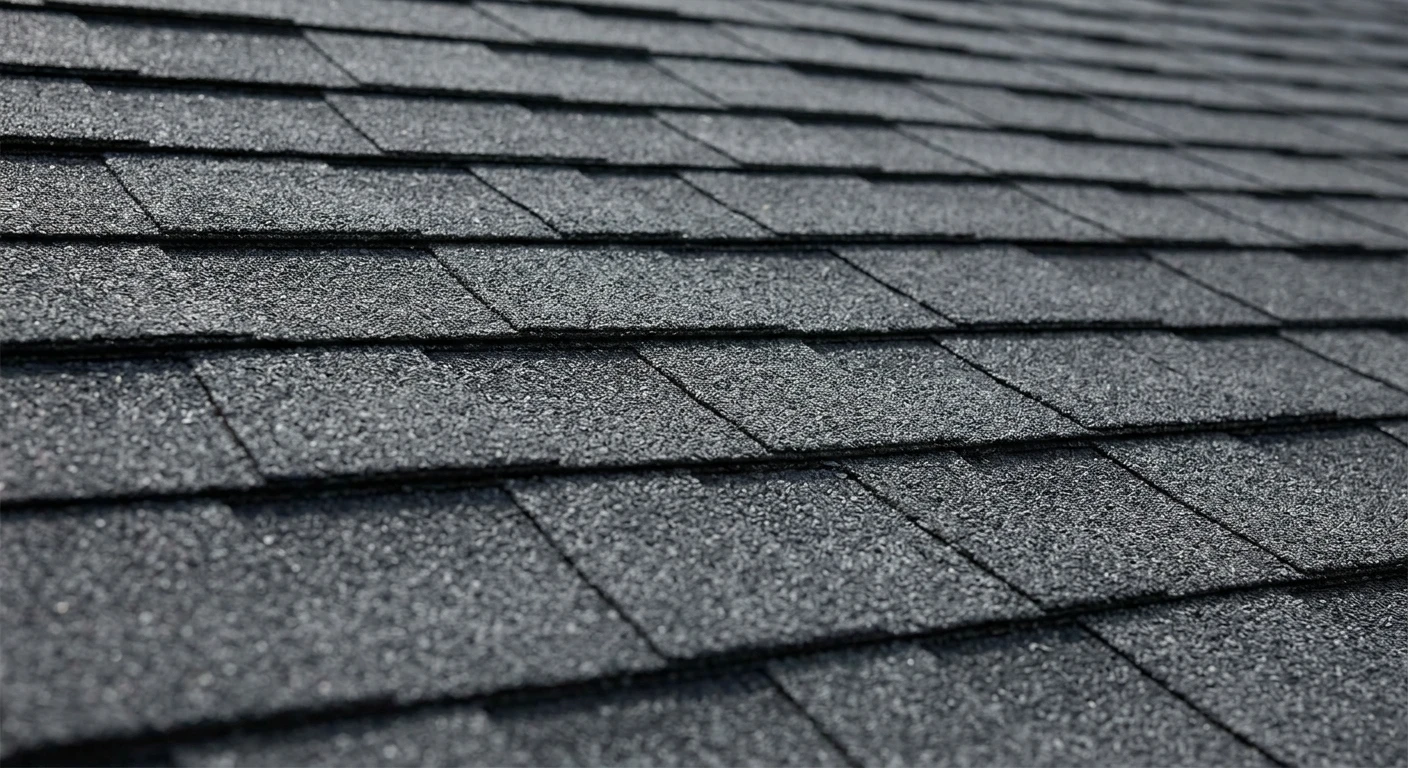
The number on the shingle wrapper is a laboratory figure. It describes how long the product lasts under controlled conditions with ideal ventilation and no hail. Central Texas is not that place. A "30-year" shingle on a Hutto roof with a hot, poorly ventilated attic will not see thirty years, and anyone who tells you otherwise is selling something.
So how long does a roof last in Texas? Here is what roofs actually do here, and why Central Texas in particular is the hard end of the state for asphalt.
Realistic lifespans in Central Texas
| Material | Marketed life | Realistic here |
|---|---|---|
| Three-tab asphalt | 25 – 30 yrs | 15 – 20 yrs |
| Architectural asphalt | 30 – 50 yrs | 20 – 28 yrs |
| Class 4 impact-resistant | 30 – 50 yrs | 22 – 30 yrs |
| Exposed-fastener metal panel | 40+ yrs | 25 – 40 yrs (fastener service every 10 – 15) |
| Standing seam metal | 50+ yrs | 40 – 60 yrs |
| Clay or concrete tile | 50+ yrs | 40 – 60 yrs (underlayment replaced sooner) |
Note the pattern: the gap between marketed and realistic is largest for asphalt and smallest for metal. Asphalt is the material most affected by the four conditions below.
The four things that decide where you land
1. Attic ventilation — the big one
This matters more than brand, more than price, and more than almost anything else on the estimate. An asphalt shingle is a mat saturated with asphalt. Heat drives the volatile oils out of that asphalt, and once they are gone the mat becomes brittle and starts cracking.
A well-ventilated Central Texas attic runs perhaps 20–30°F above outdoor temperature. A badly ventilated one can exceed 150°F on an August afternoon, cooking the shingles from underneath for months at a time. The difference between those two attics is easily five to eight years of roof life on the same product.
What good ventilation looks like: balanced intake at the soffits and exhaust at the ridge, sized to the attic volume. Exhaust without intake does almost nothing. Blocked soffit vents — very commonly buried under blown-in insulation — are one of the most frequent and most fixable problems we find.
2. Sun exposure
Central Texas gets roughly 230 sunny days a year, and UV degrades asphalt continuously. The practical effect is visible on any roof with partial shade: the shaded slopes routinely outlast the exposed ones by several years on the same house.
This is where Hutto is at a disadvantage. The subdivisions built on former farmland — Star Ranch, Emory Farms, Creek Bend, Legends of Hutto — have landscaping that is still maturing, so most of those roofs get full sun. Compare that with the older lots around Old Town Hutto, or with Round Rock's established neighborhoods, where mature pecans and oaks break up the exposure. Same shingle, different outcome.
3. Hail
The wildcard that can end a roof's life in twenty minutes regardless of how well it has been maintained. Hutto sits in an active hail corridor, and a single significant event can take a twelve-year-old roof out of service. This is the argument for Class 4 shingles: they do not prevent hail, but they push the damage threshold meaningfully higher.
4. Installation quality
Nail count, nail placement, correct drip edge sequence, properly built flashing rather than caulked flashing. None of it is visible from the ground on day one. All of it shows up in years seven through fifteen. A well-installed mid-grade shingle outlasts a badly installed premium one, reliably.
What you can do about it
- Fix the ventilation. Cheapest available lifespan extension. Check that soffit vents are not blocked by insulation.
- Clear the gutters twice a year. Water backing up under the roof edge rots decking and fascia.
- Trim overhanging limbs. They abrade shingles in wind and drop debris into valleys.
- Deal with small repairs promptly. A $300 pipe boot today is not a $3,000 decking replacement in two years.
- Get an annual inspection once the roof passes ten years.
- Limit foot traffic. Every technician who walks a hot roof scuffs granules off it.
How old is your roof, really?
If you bought the house, the seller's disclosure or the permit history usually gives you the install year. Failing that, the roof itself tells you: widespread granule loss, curling or cupping tabs, cracking, bald patches and heavy granule accumulation in the gutters all indicate a roof in its final years.
Our guide to the signs you need a new roof in Hutto goes through those in detail, or call +1 (512) 297-7580 and we will give you a straight assessment of how much life is left.
Questions about your own roof?
Articles describe the general case. For what is happening on your roof in Hutto, call or text +1 (512) 297-7580 and describe it.